Anki Too Complicated? Try a Simpler Flashcard Workflow
Why setup friction stalls beginners, and how an AI-first loop gets you reviewing sooner
TL;DR
Anki is powerful, but many beginners get stuck in setup, templates, add-ons, and scheduling decisions before they build a review habit. If your goal is to turn notes into cards and start reviewing, a simpler AI-first workflow like Flica can be a better first step.
Searching "Anki too complicated" does not mean you are bad at studying. It usually means the tool is asking you to make too many system decisions before the study habit exists. Anki can be excellent for long-term power users, but new users often meet a wall of deck options, templates, add-ons, sync settings, card types, and scheduling explanations.
The danger is not that Anki has features. The danger is that setup becomes the work. A student may spend an evening installing add-ons, choosing a template, reading scheduling debates, and importing decks, then finish with almost no retrieval practice completed. That is a bad trade when an exam is close or when the source material is already waiting in PDFs, slides, and notes.
Why Anki Feels Complicated
Searching for an easier option is not a sign of weak study skills. It usually means Anki asks you to make too many system decisions before your routine is stable. New users meet decks, card types, add-ons, sync settings, intervals, and a flood of opinions about the right configuration. The danger is not that Anki has features. The danger is that setup becomes the work, and an evening of installing add-ons and reading scheduling debates can end with almost no retrieval practice done.
The danger is not that Anki has features. The danger is that setup becomes the work.
Separate Power From Progress
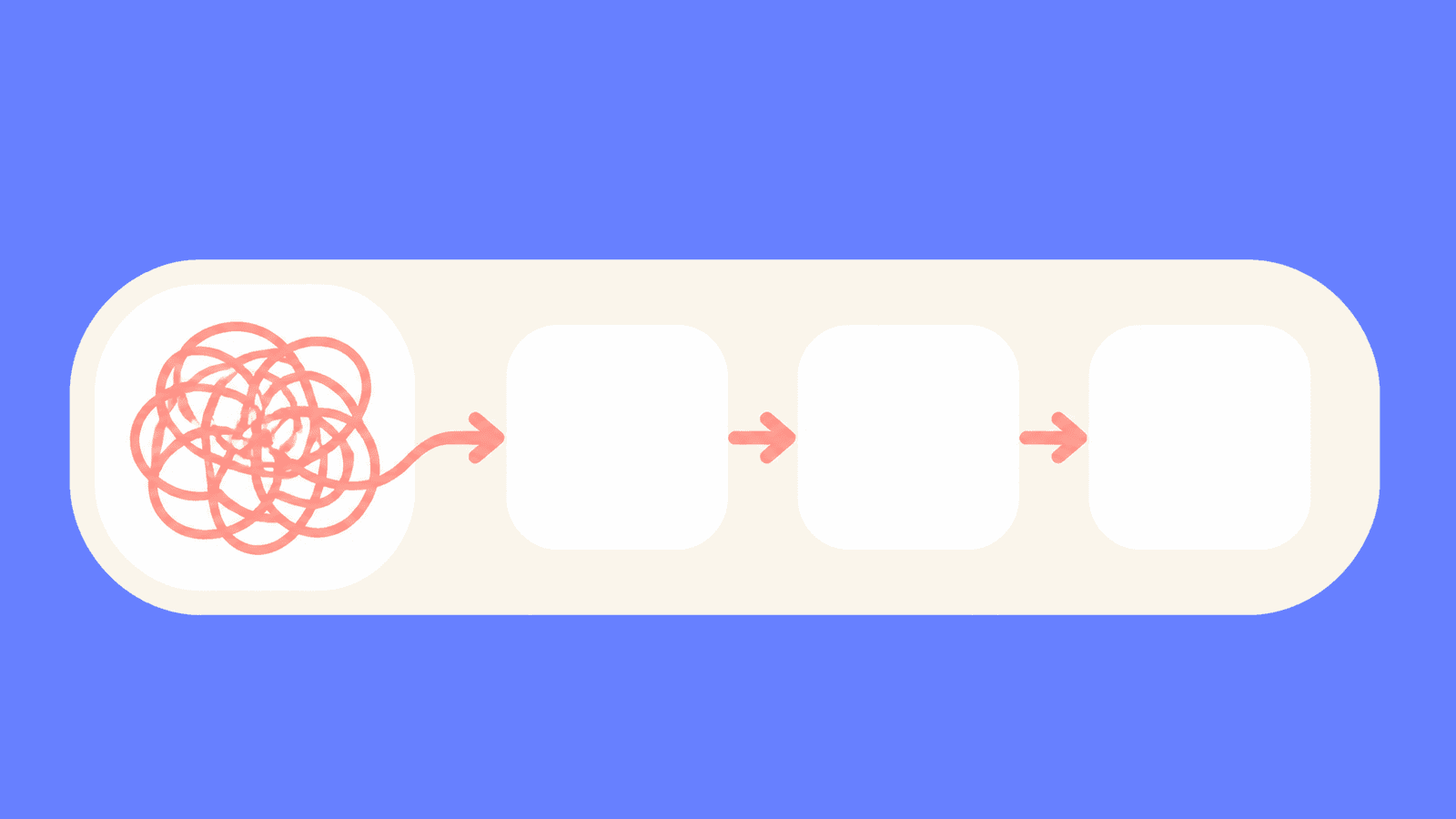
A simpler flashcard workflow starts from the material, not the system. First, choose one source: a lecture, a chapter, a transcript, or a vocabulary list. Second, create a small set of focused prompts. Third, review the deck immediately. Fourth, edit cards that are unclear. Fifth, return tomorrow for scheduled review. If an app supports that loop without forcing configuration, it is doing its job. Three areas usually trigger the most friction for beginners: templates, add-ons, and scheduling. Templates are powerful but distracting when you only need straightforward prompts. Add-ons expand features but require research and maintenance. Scheduling invites endless tuning when a built-in FSRS flow would already work.
A Simpler Workflow for Busy Students
Flica is designed for that kind of loop. You can use AI to draft flashcards from source material and then move into an FSRS review flow. You still need judgment. AI cards should be checked, merged, deleted, or rewritten when they are too vague. But the blank-card problem is smaller, and the learner spends less time designing the system. Some learners should still choose Anki. If you already have a mature deck, need specialized templates, or enjoy detailed control, Anki's complexity can become an advantage. But if your real search intent is "I need something easier than Anki so I can study today," choosing a lower-friction tool is rational.
AI cards still need judgment. Check, merge, delete, or rewrite any card that is too vague before it enters your deck.
Anki vs a Simpler Flica Workflow
Each friction point that slows beginners has a heavier Anki path and a lighter Flica path. The table below maps where the time goes and why early wins matter more than a perfect system.
| Why it hurts beginners | Anki path | Simpler Flica path | |
|---|---|---|---|
| Card creation | Manual entry delays review | Build or import cards | Generate draft cards from material |
| Templates | Powerful but distracting | Choose fields and formats | Use straightforward prompts |
| Add-ons | Expand features | Research and maintain | Avoid add-on dependency |
| Scheduling | Many opinions | Tune settings | Use built-in FSRS flow |
| Habit formation | Needs early wins | Setup can dominate | Review immediately |
Checklist: Decide Whether to Switch or Simplify
The goal is not to prove that one app is universally better. The goal is to remove the bottleneck between material and memory. For many beginners, the most effective system is the one that creates a review habit before optimization begins. Run through this checklist before committing more time to setup.
- Have you completed actual reviews, or only configured your deck?
- Is manual card creation stopping you from starting?
- Do you need advanced templates right now?
- Are you studying for a near-term exam?
- Can you accept checking AI-generated cards for speed?
- Would a smaller daily loop beat a perfect system you avoid?
FAQ
Is Anki worth learning?
Yes, if you need deep customization or already know you will maintain a long-term deck. It may be too much if you only need fast card creation and review.
What is the easiest Anki alternative?
The easiest option depends on your bottleneck. If the bottleneck is card creation from notes, an AI-first app like Flica is worth trying.
Can Flica replace Anki?
For some students, yes. For power users with specialized decks, Flica is better seen as a simpler workflow rather than a full clone.
Remove the Bottleneck Between Material and Memory
The goal is not to prove that one app is universally better. The goal is to remove the bottleneck between material and memory. For many beginners, the most effective system is the one that creates a review habit before optimization begins.
If your real search intent is "I need something easier than Anki so I can study today," choosing a lower-friction tool is rational. Test the simplest version first: take one source, generate a small deck, review it immediately, and only then decide whether you need a more complex tool.
Start Reviewing Before You Build a System
Test Flica with one source you have been avoiding. Generate a small deck, review it immediately, and only then decide whether you need a more complex tool.
References
- Roediger, H. L., & Karpicke, J. D. (2006). Test-enhanced learning: Taking memory tests improves long-term retention.
- Dunlosky, J., Rawson, K. A., Marsh, E. J., Nathan, M. J., & Willingham, D. T. (2013). Improving students' learning with effective learning techniques.