Turn Language Exchange Notes Into AI Flashcards
Save the words you actually needed in conversation before they disappear
TL;DR
AI flashcards for language exchange notes solve a specific problem: useful words from real conversations often stay in messy notes and never reach review. Capture one running note during the exchange, convert it the same day, keep the real sentence, and use spaced review so the vocabulary is available next time you speak.
Language exchange vocabulary is high-value because it came from a real gap. It is the phrase your partner used, the correction they gave you, or the word you needed but could not produce. That search intent is practical: you already have notes and want a fast way to turn them into study cards without rebuilding the conversation from memory.
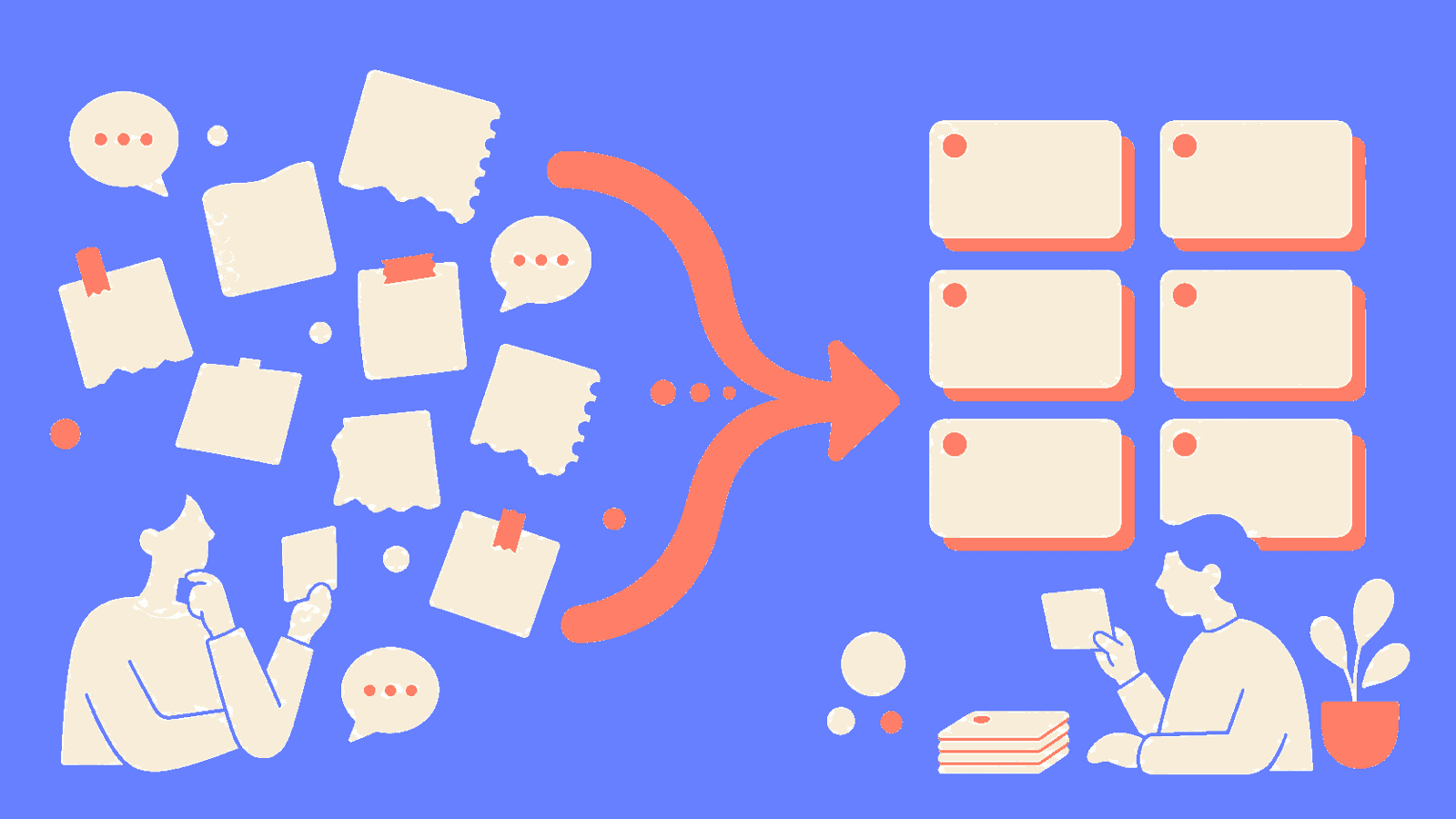
The workflow is simple, but timing matters. Capture rough notes while you speak, add just enough context to understand them later, then turn the note dump into question-answer cards before the memory fades. Flica can draft cards from pasted study material, including messy notes, and then you can edit the cards before reviewing them in an FSRS-based flow.
Why Conversation Vocabulary Is Worth Saving
Words from a textbook may be useful someday. Words from a language exchange were useful today. That makes them good candidates for flashcards, especially when they include the situation where the word appeared. A card for a bare translation is weaker than a card that asks, “What phrase did my partner use to disagree politely?” because the prompt recreates the speaking moment.
The goal is not to archive every word from a chat. The goal is to rescue the phrases you are likely to need again.
Capture During the Exchange
Keep one running note open during the session. Do not split vocabulary between chat apps, paper, and screenshots unless you have to. Write quickly: the target word, a short meaning, and the sentence or situation where it appeared. You can clean the note later, but you cannot recover forgotten context.
- Use one note for the session instead of scattered fragments.
- Write the real example sentence when possible.
- Mark who said the phrase or what it answered.
- Avoid formatting while you are still speaking.
Turn the Note Dump Into Cards
After the exchange, paste the note block into Flica and generate draft cards. Then edit them. AI can organize rough material, but it does not know the nuance of your conversation unless you wrote it down. Keep one idea per card, add the real example sentence, and delete words that were one-time curiosities.
Convert the notes the same day. The longer the delay, the more likely your cards become vague translation pairs instead of usable conversation prompts.
Comparison: How Exchange Vocabulary Gets Lost
Most language exchange notes fail because they never move from capture to review. Use this table to spot the failure point in your current routine.
| Current habit | What usually happens | Better move |
|---|---|---|
| Trust memory | Word is gone tomorrow | Keep a running note open |
| Save a bare word | Card is ambiguous | Add context and sentence |
| Wait for the weekend | Backlog grows | Convert the same day |
| One huge deck | Review feels heavy | Use one mini-deck per session |
| Accept every AI card | Weak cards survive | Edit, verify, and prune |
Same-Day Checklist
A useful exchange-note deck should be small, contextual, and ready for review before the next conversation.
- Capture new words in one running note.
- Add the sentence or situation where each word appeared.
- Paste the note into Flica and draft cards.
- Edit cards so each prompt tests one recall target.
- Delete words you do not expect to reuse.
- Review the mini-deck through the FSRS-based flow for a week.
FAQ
Can AI make flashcards from messy language exchange notes?
Yes. AI can draft question-answer cards from a pasted note block, but you should add the real context and edit anything vague before studying.
Should I make one card for every word from a conversation?
No. Prioritize words and phrases you expect to reuse. A small, edited deck is easier to review than a large archive of one-off vocabulary.
What should a language exchange flashcard include?
Include the target word or phrase, the meaning, and the real sentence or situation where it appeared. Context makes recall more useful for speaking.
Keep the Conversation Attached to the Card
Language exchange notes are valuable because they came from real communication. If you strip away the context, the card becomes just another translation pair.
Use Flica to reduce the setup work: paste the note dump, draft cards, edit them against your memory of the exchange, and review the small deck before your next session.
Build a Mini-Deck From Your Next Exchange
Paste one session of notes into Flica, generate draft cards, add the real example sentences, and review the deck in short FSRS-based sessions.
References
- Related Flica guide: AI card generation from pasted study material.
- Related Flica article: flashcards for language learning.
- Related Flica article: Anki language learning workflows.